Kayaking & Snorkeling in Madeira: Garajau Underwater Nature Reserve
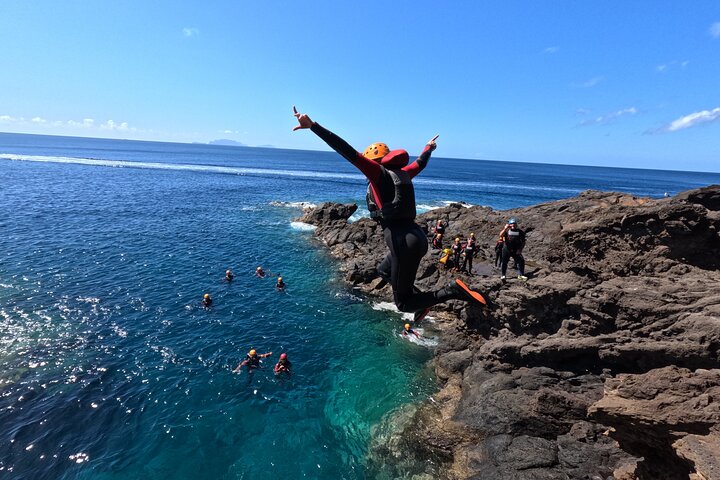
Paddling into a sea cave at Garajau, the water glowing turquoise beneath the kayak, a grouper the size of a small dog swimming up to inspect me, this was the moment I understood why Madeira's marine reserve is special. Established in 1986 as Portugal's first protected marine area, Garajau's waters have had 35+ years of recovery from fishing pressure. The marine life is remarkably unafraid, groupers swim right up to you, moray eels peer from crevices, and barracuda patrol the deeper edges.
We earn a commission when you book through our links on Viator (PID P00303273), at no extra cost to you. This is how we keep the site free.
Madeira's coastline is impressive from the water, volcanic cliffs plunging into the Atlantic, sea caves, and a marine reserve teeming with life. The Garajau Underwater Nature Reserve, just east of Funchal, is the island's premier spot for kayaking and snorkeling. Crystal-clear waters, protected from fishing since 1986, make it one of Europe's finest accessible marine reserves. I recommend booking a Garajau kayak tour for the most rewarding experience.
The €49 kayak and snorkeling tour at Garajau is Madeira's top water-based adventure for active travellers. In 2 hours you paddle along volcanic cliffs, enter sea caves, and snorkel in the reserve's crystal waters, where you can encounter parrotfish, moray eels, groupers, and barracuda. At €49 with all equipment included, this is excellent value compared to similar tours in the Mediterranean.
Local Wisdom, The Garajau Secret
🇵🇹 Before You Hike (2026 Update)
SIMplifica booking is now mandatory for all classified PR trails in Madeira. You must book online before arrival and show a QR code at the trail entry.
- Standard trails: €4.50 per person
- PR1 (Pico do Arieiro → Pico Ruivo): €10.50 per person (from April 2026)
- Book at: simplifica.madeira.gov.pt
Check trail status before you go: IFCN official trail status · IPMA weather
📌 PR1 spent part of early 2026 partially closed for rockfall repairs. It has since reopened. Always verify current status with IFCN, conditions change. Guided tours that include your trail fee are a convenient option, see recommended tours below ↓
The Garajau coastline looks completely different from the water. From the Cristo Rei lookout, you see cliffs and blue Atlantic. From a kayak, you see sea caves the tour buses do not mention, rock formations shaped like cathedral arches, and water so clear you can count the fish 10m below. On a calm day, you can paddle into the Garajau marine reserve, a protected area where groupers the size of small dogs swim past your kayak without fear. The guides know which caves are safe and which are not. They know where the resident turtle feeds. Book the morning slot (9 AM), the water is calmer, the light is better, and you will be back in Funchal for lunch.
I first kayaked Garajau in September 2023 with a guide named Miguel who has been running these tours for 12 years. About 200 metres from shore, we spotted a sea turtle feeding on algae near the surface. Miguel cut his engine, we were in a support RIB for the first section, and we floated in silence maybe 10 metres away. The turtle glanced at us once, decided we were not a threat, and went back to eating. I have snorkelled in the Caribbean and the Red Sea and I have never been that close to a wild turtle that was not being chased by a tour group. That is what 35 years of no-fishing protection does, the animals stop fearing humans.
Miguel told me that the resident turtle, a loggerhead the guides call Amália, after the fado singer, has been feeding in this exact cove for at least seven years. The guides know her shell pattern. She appears most often between 9 and 11 AM, which is another reason to book the morning slot. The afternoon wind typically picks up around 1 PM and the water clarity drops from 20-metre visibility to 5-10 metres within an hour.
The Garajau Kayaking Experience
Kayak and Snorkeling Tour in Garajau Nature Reserve
This 2-hour guided tour starts at Garajau beach, accessible via cable car from the clifftop or by car. You receive a safety briefing and equipment fitting (sit-on-top kayak, paddle, life jacket, snorkel mask, and fins), then paddle out along the dramatic coastline. The route follows volcanic cliffs with sea caves and rock formations you can only reach by water.
Halfway through, you anchor in a sheltered cove within the marine reserve and snorkel in water that is typically 20–24°C in summer (wetsuits provided in cooler months). The reserve's "no-take" status since 1986 means marine life is abundant and unafraid, groupers the size of small dogs swim right up to you.
For official trail conditions and travel information, visit Visit Madeira, the UNESCO Laurissilva Forest page, and IFCN (Madeira's Institute of Forests and Nature Conservation).
Book Now →What You Will See
🐠 Marine Life in Garajau Reserve
The Garajau reserve protects 376 hectares of coastal waters. Thanks to 35+ years of no fishing, the marine life is remarkably abundant. You are likely to see:
- Dusky groupers, the reserve's mascot, enormous and curious
- Parrotfish, colourful and common in the shallows
- Moray eels, peeking out from rocky crevices
- Barracuda, often seen patrolling in small schools
- Octopus, masters of camouflage on the rocks
- Sea bream, wrasse, damselfish, abundant reef species
On rare occasions, sea turtles and rays are spotted. The water clarity is usually excellent (15–30m visibility), especially in the morning before wind picks up.
🏔️ Volcanic Coastline
The cliffs east of Funchal are dramatic basalt formations, ancient lava flows frozen in time. From a kayak, you paddle alongside towering rock faces that rise 50–100m above you. The perspective from water level is completely different from looking down from the cliff tops. You can paddle into sea caves (conditions permitting) and through natural arches eroded by the Atlantic.
Who Should Skip This Tour
I enjoyed the Garajau kayak tour, but I need to be honest, it's not for everyone. If you're not a strong swimmer, the snorkelling section can be intimidating. The reserve is sheltered, but when I went in late September, there was a moderate swell that made the kayak feel tippy. A woman in our group capsized while trying to take a photo, she was fine (life jacket, guide right there), but it rattled her. If you get anxious in open water, choose a glass-bottom boat tour instead.
Also, if you're looking for a full-day adventure, 2 hours will feel short. I wished I'd had more time in the water once I got comfortable. For some visitors, the €49 price tag for 2 hours feels steep compared to a half-day levada walk tour. I think it's fair given the equipment and guide quality, but I've seen reviews from travellers who expected a longer outing. Consider pairing it with a morning at Cristo Rei if you want a fuller day.
Who it's NOT for: Non-swimmers, anyone nervous about deep water, people who prefer land-based hiking, families with very young children (minimum age is usually 6-8 depending on the operator), and those looking for a budget activity. Also not ideal if you're visiting in winter (November-February) when the sea is rougher and water clarity drops significantly.
Morning vs Afternoon: Which Slot Is Better?
I booked the 9 AM slot based on Miguel's advice, and I'm glad I did. The water was glass-calm, visibility was easily 20 metres, and the light was perfect for photos. When we returned to the beach around 11:15 AM, the wind was already picking up. The afternoon group I saw launching looked like they were battling chop from the start. The guides also confirmed that the wind typically strengthens from 1 PM onwards, and marine life, especially the turtle Amália, is most active in the cooler morning hours.
That said, if you're not a morning person, the afternoon slot still works. The wetsuit keeps you warm, and the tour is short enough that even choppier conditions are manageable. Just lower your expectations for water clarity, in the afternoon, visibility can drop to 5-10 metres. I overheard the guide telling the afternoon group that the barracuda sometimes come closer in the afternoon light, so there's a trade-off. But for me, the morning calm was worth the early start.
Practical Tips for a Smooth Kayaking Trip
I learned a few things the hard way on my first Garajau kayak trip. First, arrive 15 minutes early to use the changing facilities, there's a beach shower but no proper changing room, so come with your swimsuit on under your clothes. Second, the sun at sea is brutal even when it's overcast. I got burned on an apparently cloudy day because UV reflects off the water. Third, if you wear glasses, bring a strap or leave them onshore. I watched a man lose his prescription sunglasses to the Atlantic when he leaned over to take a photo of a grouper.
Who this is NOT for: Anyone who can't swim at all (you wear a life jacket but you need basic water confidence), people with back problems (the kayak position can strain your lower back after 30+ minutes), and anyone who gets cold easily (the water is 18-20°C in the off-season even with a wetsuit). Also not ideal if you're prone to seasickness, the ocean swell near the cliffs can be noticeable, and the snorkelling stop involves bobbing in open water. If you're nervous about any of these, choose the glass-bottom boat tour from Funchal instead. It's less adventurous but you stay dry and still see the marine life.
Explore More
Related comparisons and guides: