For official trail conditions and travel information, visit Visit Madeira, the UNESCO Laurissilva Forest page, and IFCN (Madeira's Institute of Forests and Nature Conservation).
Local Wisdom, What the Guidebooks Won't Tell You
🇵🇹 Before You Hike (2026 Update)
SIMplifica booking is now mandatory for all classified PR trails in Madeira. You must book online before arrival and show a QR code at the trail entry.
- Standard trails: €4.50 per person
- PR1 (Pico do Arieiro → Pico Ruivo): €10.50 per person (from April 2026)
- Book at: simplifica.madeira.gov.pt
Check trail status before you go: IFCN official trail status · IPMA weather
📌 PR1 spent part of early 2026 partially closed for rockfall repairs. It has since reopened. Always verify current status with IFCN, conditions change. Guided tours that include your trail fee are a convenient option, see recommended tours below ↓
Everyone assumes the canyoning water is warm because Madeira is a subtropical island. It is not. Mountain runoff at Ribeira das Cales stays at 14-16°C even in August, I have watched confident swimmers gasp the moment they drop into the first pool. The wetsuits help, but here is what nobody mentions: wear a thin merino base layer underneath the wetsuit. I learned this from a German canyoning guide who has been running these routes for 15 years. She pulled a long-sleeved merino top from her dry bag, put it on under her wetsuit, and explained that the trapped water layer warms faster against wool than against neoprene alone. I have done it ever since, and it turns a shivery 20-minute pool session into something you can actually enjoy. Book the earliest morning slot, the water levels are lower, the sun has not burned off the overnight cloud yet, and you will have the gorge to yourself for the first hour before the 10 AM groups roll in.

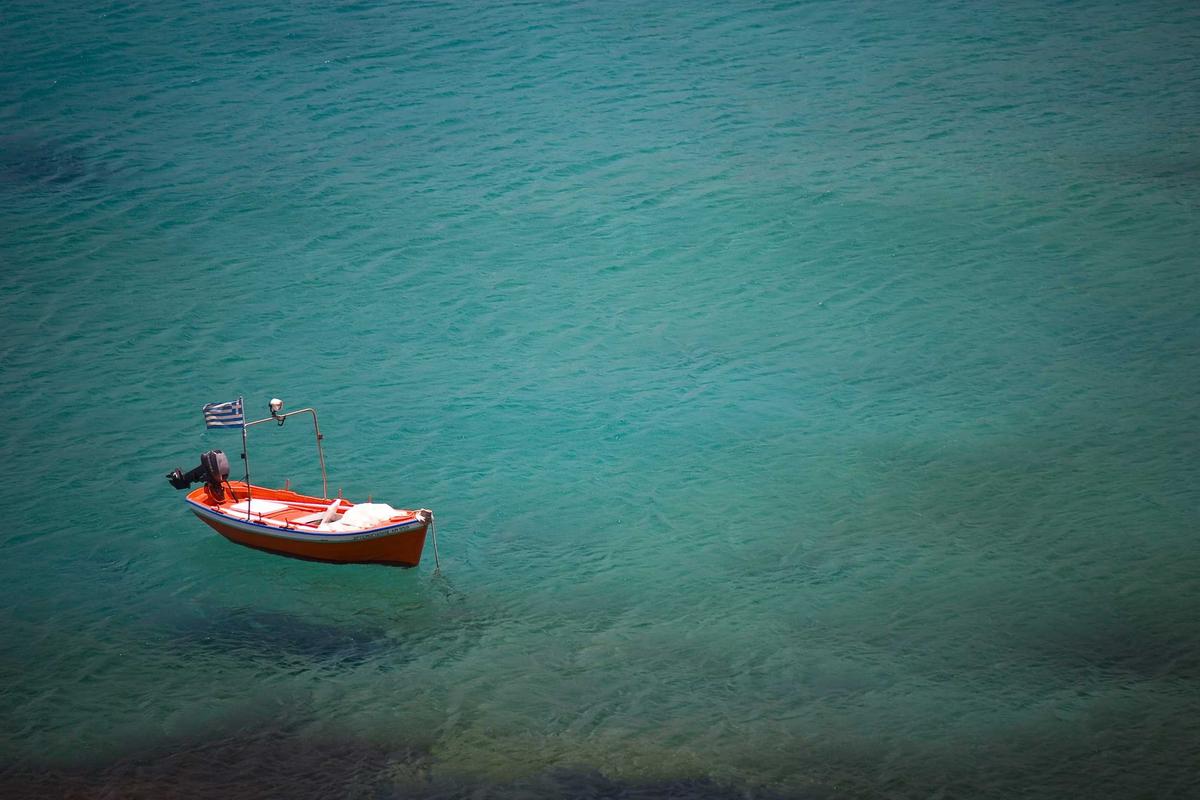
I'd heard every horror story about whale watching in Madeira, friends who spent three hours heaving over the rail, kids crying, the whole "I saw more sea than whale" experience. So when I boarded the catamaran in Funchal for a March trip, I took seasickness tablets, sat in the back, and braced for misery. The Atlantic was like glass. We saw a pod of spotted dolphins within 15 minutes, then a sperm whale surfacing 200m off the starboard side, a juvenile, about 8m long. Nobody got sick. Not one person.
We earn a commission when you book through our links on Viator (PID P00303273), at no extra cost to you. This is how we keep the site free.
After walking 400+ km of Madeira trails, I'll be the first to admit that the island's adventure offerings, canyoning, coasteering, whale watching, and kayaking, are a different kind of thrill. They take advantage of geography that walking can't reach: volcanic sea cliffs, underwater marine reserves, and the deep Atlantic waters where sperm whales and pilot whales live year-round.
Four activities, one question: which fits you? Here's my quick framework, Sweat (canyoning: rappelling waterfalls, sliding rock flumes, adrenaline-to-scenery ratio off the charts), Salt (coasteering: swimming, climbing, jumping along the coastline, less known but equally thrilling), Serenity (whale watching: catamarans with marine biologists, ideal in March to May when seas are calmest), Paddle (kayaking: paddling volcanic cliffs into sea caves at Garajau).
Canyoning & Coasteering: Madeira has some of Europe's finest canyoning. Level 1 routes like Ribeira das Cales are beginner-friendly, you'll rappel down waterfalls, slide natural rock flumes, and jump into pools. The water is cold (mountain runoff, even in August) but full wetsuits are provided. Canyoning season runs April to October. Coasteering is weather-dependent, rough seas cancel trips, so have a backup plan.
Whale Watching: Funchal vs Calheta, two different experiences. Funchal catamarans (€38) are stable, comfortable, and great for first-timers. Calheta RIBs (€65) get you closer to the water but you'll get wet. The early season (March to May) has the calmest sea conditions because the trade winds haven't picked up yet, that's the only window I recommend for nervous first-timers. Sightings run 85-95% depending on the species, but these are wild animals, not a zoo.
Kayaking: The Garajau Marine Reserve, established in 1986 as Portugal's first protected marine area, offers the finest sea kayaking on the island. Paddle along volcanic cliffs to hidden coves accessible only by water. Thanks to 35+ years of no fishing, groupers swim right up to you. The 200-step staircase back up from the beach at the end is a workout in itself. Prime months: May to October.
Canyoning, whale watching, kayaking, and coasteering, we compare operators, price points, and what each experience actually involves so you don't book the wrong activity for your comfort level.
What to Bring for Madeira Adventure Activities
- A second pair of shoes. Not trainers, proper closed-toe water shoes or old trail runners you do not mind soaking. Canyoning operators provide wetsuits and helmets, but the walk back to the van after coasteering is on sharp volcanic rock. Flip-flops shred in 10 minutes.
- A dry bag with a fleece. Even on a 25°C day, you will be cold after 2 hours in a wetsuit. The Atlantic at Garajau sits at 18-20°C year-round. Your body loses heat fast once you are out of the water and the wind hits.
- Zinc-based sunscreen, not spray. Spray sunscreen runs into your eyes the moment you hit the water. The zinc sticks, and reef-safe formulas are mandatory in Garajau's marine reserve.
- A GoPro with a float strap, or nothing at all. Your phone in a waterproof pouch will fog up inside the case within 30 minutes. Either bring a proper action camera with a buoyancy grip, or leave the camera behind and actually be present. The operators often take photos anyway.
Counterintuitive tip: Do not drink coffee before canyoning. The combination of adrenaline, cold water, and caffeine makes your hands shake on the rope descent. I watched a guy in my group struggle with his carabiner for 3 minutes because his fingers would not cooperate. Eat a banana instead, slow-release energy, no jitters.
Porto Moniz, Seixal, Fanal Forest, Cliff Skywalk in Open Roof 4X4
3788 reviews · 4.92★ avg · from €79/person
Top-rated experience in the area. Great reviews, excellent value.
Book Now →Explore More
Related comparisons and guides: