Ideal Time to Visit Madeira for Hiking: Month-by-Month Guide
I've stood at Arieiro summit in January when the wind chill hit -5°C and the clouds below me were on fire with dawn colors. I've also stood there in July when the fog was so thick I couldn't see my hiking partner 5m away. Madeira's microclimates don't care about your expectations, the IPMA forecast said "partly cloudy" for that July trip, then a cloud bank rolled up from the north coast and sat on the summit for four hours. Now I pack for both scenarios every single time.
We earn a commission when you book through our links on Viator (PID P00303273), at no extra cost to you.
Madeira doesn't have a traditional off-season, it has a subtropical climate with temperatures ranging from 16°C (61°F) in January to 25°C (77°F) in August. But rainfall, trail conditions, cloud cover, and crowd levels shift significantly by month. The microclimate variation is dramatic: Funchal gets ~600mm of rain per year, while the north coast gets ~2,000mm. You can leave Funchal in sunshine and hit fog and drizzle 30 minutes north at Santana. Always check IFCN trail status before heading out, levada maintenance closures are common, and trail conditions can change after rain, maintenance, landslides, or fire risk. I recommend booking a sunrise transfer for PR1 for the most rewarding experience.
The headline: April–June and September–October are the sweet spots for hiking, warm enough for shorts, trails are dry, flowers are blooming (spring) or the forest is lush (autumn), and crowds are manageable. But the ideal month depends on which trails you want to do →
The prime months for hiking are May, June, and September, warm sunshine, stable weather, low rainfall, and moderate crowds. April and October are close runners-up with slightly more rain but beautiful conditions. July–August is peak tourist season, trails are busy, Funchal is packed, but the weather is perfect. November–February is the rainy season, hiking is still possible (the island is green year-round), but you'll need waterproof gear and flexible plans. March is the transition month, unpredictable but often rewarding.
For official trail conditions and travel information, visit Visit Madeira, the UNESCO Laurissilva Forest page, and IFCN (Madeira's Institute of Forests and Nature Conservation).
Local Wisdom, The Season Nobody Talks About
🇵🇹 Before You Hike (2026 Update)
SIMplifica booking is now mandatory for all classified PR trails in Madeira. You must book online before arrival and show a QR code at the trail entry.
- Standard trails: €4.50 per person
- PR1 (Pico do Arieiro → Pico Ruivo): €10.50 per person (from April 2026)
- Book at: simplifica.madeira.gov.pt
Check trail status before you go: IFCN official trail status · IPMA weather
📌 PR1 spent part of early 2026 partially closed for rockfall repairs. It has since reopened. Always verify current status with IFCN, conditions change. Guided tours that include your trail fee are a convenient option, see recommended tours below ↓
Everyone recommends April-October. I recommend November. Specifically, the first two weeks. The summer crowds have gone, the weather is still mild (16-20°C), and the autumn colours in the laurel forests are extraordinary, the til trees turn gold, the bracken on Paul da Serra goes copper. Hotel prices drop 30-40% from October. The levadas are quiet. The only downside: shorter days and a higher chance of rain. But Madeira in November rain is still Madeira, the island gets greener, the waterfalls are fuller, and you will have the trails almost to yourself. I have done PR1 in November three times and never shared the summit with more than four people. In August, I have shared it with forty.
Month-by-Month Breakdown
January, Cool & Wet
Madeira's coldest and wettest month. The mountains can get snow above 1,500m, PR1 Pico do Arieiro sometimes closes. Lower levadas remain hikeable but wet underfoot. Waterfalls are at their most powerful. After New Year's (Funchal has a famous fireworks display), January is quiet and hotel prices drop significantly.
Hike: Lower-elevation levadas below 800m, Levada do Alecrim, Levada do Norte. Skip: PR1, PR9 if rain is heavy.
February, Improving Weather
Slightly less rain than January. Days are getting longer. Carnival (mid-February) brings Funchal to life with parades, book accommodation early if your trip overlaps. Trail conditions are similar to January: lower levadas are safest, higher routes depend on recent weather.
Hike: Levada do Rei, Levada dos Tornos. Event: Madeira Carnival in Funchal.
March, Transition & Unpredictable
The most unpredictable month. You can get a week of perfect sunshine or a week of Atlantic storms. March is when the switch flips from winter to spring, wildflowers begin appearing on lower slopes. Good value month: hotel prices are still low, but the weather is noticeably warmer than January.
Hike: Most moderate levadas are open. PR8 Ponta de São Lourenço is excellent in March, the exposed eastern peninsula dries quickly after rain.
April, Flower Season
One of the prime months for hiking. Wildflowers carpet the levada banks, bird-of-ideal spot, agapanthus, and Madeira orchids are in bloom. Rain eases significantly. Easter week brings a spike in visitors (book ahead). The Flower Festival in late April/early May is Funchal's prettiest event.
Hike: PR6 25 Fontes (waterfalls at full flow without the rain), PR9 Caldeirão Verde (lush green walls). Event: Madeira Flower Festival.
May, The Sweet Spot
This is the ideal hiking month. Warm enough for shorts and t-shirt on coastal trails, cool enough for comfortable uphill sections. All trails at all elevations are accessible. The laurel forest is lush from spring rain but the ground is dry. Before the summer holiday crush arrives. Flowers still blooming. If you can only visit once, pick May.
Hike everything: PR1 Pico do Arieiro → Pico Ruivo, PR6 25 Fontes, PR9 Caldeirão Verde, PR8 Ponta de São Lourenço, all in prime condition.
June, Peak Daylight
June has the longest days, sunrise at 6 AM, sunset at 9:15 PM, giving you 15 hours of daylight for hiking. Rainfall is minimal. The Atlantic Festival lights up Funchal harbour with Saturday night fireworks. Crowds build toward late June as European summer holidays begin.
Hike: Long routes you need daylight for, PR1 full traverse (6.1km, 4–5 hrs), PR9 Caldeirão Verde (11.8km round-trip). Event: Atlantic Festival (Saturdays in June).
July, Hot & Busy
Driest month of the year. Coastal trails are hot by midday, start early or stick to forest-shaded levadas. Funchal is at peak tourist density. Hotel prices are at their highest. Trailhead parking fills early, arrive before 8 AM on popular routes like PR6 25 Fontes.
Hike: Forest-shaded levadas (PR9, Levada do Rei). Coastal PR8 early morning only. Skip midday PR1, the ridge has zero shade.
August, Heat & Holiday Crowds
Hottest month, Funchal can hit 30°C (86°F) on hot days. The interior stays cooler (18–22°C at 1,500m) so high-elevation hikes are more comfortable than coastal ones. Madeira's August holiday (15th) and European summer holidays make this the busiest month. Book tours and accommodation well ahead.
Hike: High-elevation trails (PR1, Pico Ruivo routes). Avoid: PR8 Ponta de São Lourenço at midday, no shade, reflective rock, can exceed 35°C on the ground.
September, Golden Season
September rivals May for hiking quality. The ocean is at its warmest (23°C / 73°F), ideal for post-hike swims or combining hiking with a whale watching tour. Crowds thin significantly after the first week. Rain is still low. The Wine Festival in early September is worth timing your trip around.
Hike: Everything is open and in good condition. Event: Madeira Wine Festival. Bonus: Whale watching peaks in September.
October, Autumn Light
October starts dry and warm, then rain increases through the month. The laurel forest takes on rich autumn tones. Early October is excellent; late October can feel like a different season. The Nature Festival runs through October with guided walks and outdoor activities. Good value, hotel prices drop after September.
Hike: Early October: all trails. Late October: have waterproof gear and flexible plans. Levada do Rei and PR10 are good rainy-day options.
November, Wet Season Begins
Rain increases significantly. Levada paths get muddy. Mountain trails above 1,500m may see the first snow of the season. The advantage: you'll often have trails to yourself. Lower levadas remain walkable with good waterproofs. Hotel prices are at their lowest outside Christmas/New Year.
Hike: Levada do Alecrim, Levada do Norte, low, sheltered, flat. Skip: PR1, PR9 during heavy rain periods.
December, Festive & Wet
Wettest month. Funchal puts on elaborate Christmas light displays, worth seeing even if you're mainly here to hike. Lower-elevation levada walks are still possible between rain showers. New Year's Eve in Funchal has one of the world's largest fireworks displays, book accommodation months ahead if visiting over NYE.
Hike: Levada dos Tornos, lower sections of Levada do Norte. Event: Funchal Christmas market and New Year's fireworks.
What to Pack by Seasone.
Winter (Dec-Feb): Waterproof boots, warm layers, waterproof jacket, headlamp (short days). Summit temperatures can drop to 0°C with wind chill. Spring (Mar-May): Layers, waterproof jacket (April showers), sunscreen (UV increases rapidly). The flowers are impressive. Summer (Jun-Sep): Sunscreen, hat, sunglasses, swimwear, light rain jacket (afternoon showers on the north coast). Start hikes early. Autumn (Oct-Nov): Waterproof jacket, warm mid-layer, headlamp. Fewer crowds, lower prices, my personal favourite season.
Seasonal Summary Table
🌿 Spring (April–June)
The prime hiking season. Flowers in April–May, warm temperatures, low rainfall, and trails are in their prime condition. June gives you the longest daylight hours. Book April (Easter) and May (Flower Festival) accommodation ahead.
Temperature: 17–24°C | Rain: 20–55mm | Crowds: Moderate
☀️ Summer (July–August)
Perfect weather, minimal rain, but trails are crowded, Funchal is packed, and accommodation is at peak prices. Start hikes before 8 AM to avoid midday heat on exposed routes. Shaded levadas (PR9, Levada do Rei) are your ideal option.
Temperature: 22–27°C | Rain: ~10mm | Crowds: Peak
🍂 Autumn (September–October)
September is fantastic, warm ocean, dry trails, thinning crowds. October starts well and gets wetter through the month. The Wine Festival (September) and Nature Festival (October) add cultural value. Whale watching peaks in September.
Temperature: 20–26°C | Rain: 40–80mm | Crowds: Moderate
🌧️ Winter (November–March)
Rainy but hikeable if you stick to lower-elevation levadas. Hotel prices drop 30–50% outside Christmas/New Year. January–February has the most rain but the fewest tourists. March is the wildcard, can be beautiful or stormy.
Temperature: 16–20°C | Rain: 70–110mm | Crowds: Low
⛔ The one mistake people make with Madeira weather
- Assuming the whole island shares one forecast. Madeira has microclimates. Funchal can be sunny and 24°C while Santana is fogged in at 16°C. The north coast gets twice the rain of the south. Always check the forecast for the specific trailhead elevation, not just "Madeira weather." The Windy app has reliable Madeira-specific forecasts with elevation layers.
- Underestimating mountain temperature drops. At 1,800m (Pico do Arieiro), temperatures are 8–10°C cooler than Funchal. A 22°C day in town means 12–14°C with windchill on the ridge. The PR1 trail has caught out many hikers wearing shorts and a t-shirt.
Who certain months are NOT for:
- Winter (November–February) is not for sunrise chasers at PR1. The summit can be clouded in and snow-covered. Sunrise transfers from Funchal sell out less often in winter, but that's because conditions are unreliable. If you only have one shot at the Arieiro sunrise, book it in May or September.
- July–August is not for solitude seekers. 200+ people line the Arieiro viewing platform at sunrise. PR6 25 Fontes sees queues at the waterfall by 10 AM. If you want alone time on trails, come in March or November.
- March is not for planners. It's the most unpredictable month, you can get a week of perfect sunshine or a week of Atlantic storms. If you need likely good weather for a first visit trip, pick May or June.
Prime Months for Specific Activities
- Peak hiking: May, June, September
- Whale watching: April–October (peak sightings September)
- Wildflowers: April–June
- Waterfall flow: January–March (maximum), still impressive April–June
- Swimming: July–October (ocean warmest in September, natural pools swimmable June–October)
- Lowest prices: January–February (excluding NYE), November
- Canyoning: May–October (water levels safe, air warm)
🏆 Top Picks
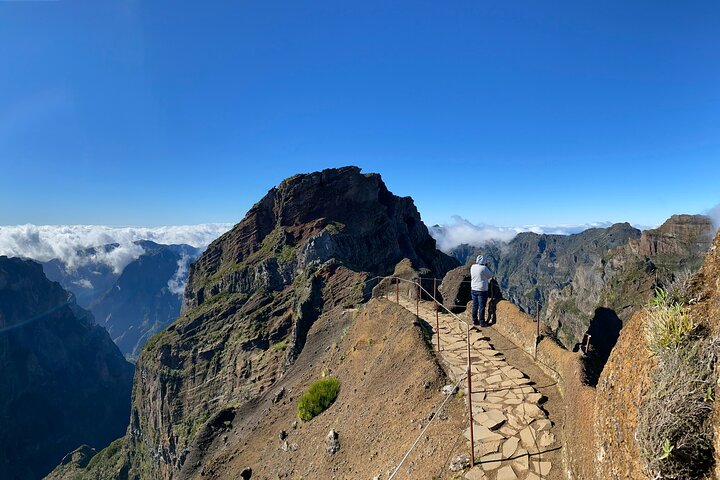
PR1 Sunrise Transfer
We earn a commission when you book through our links on Viator, at no extra cost to you. This is how we keep the site free.
Self-guided sunrise transfer to Pico do Arieiro (1,818m). Watch sunrise above the clouds, then hike the dramatic PR1 ridge to Pico Ruivo.
★ 4.8 (850 reviews) Book on Viator →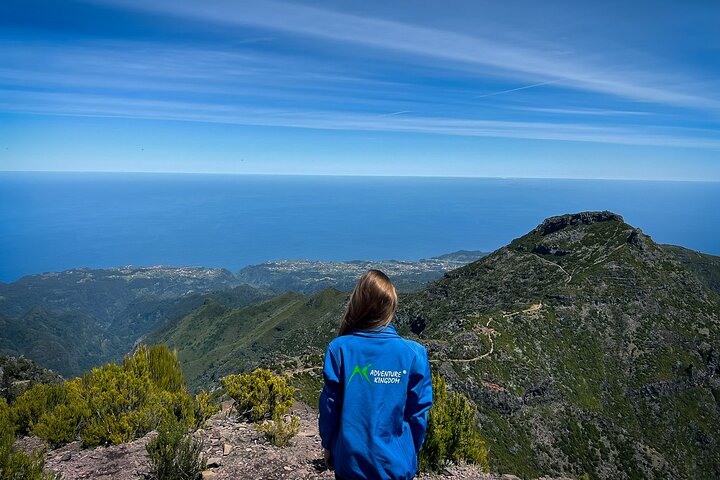
25 Fontes & Risco Guided Walk
Madeira's most famous levada walk, 25 cascades into a lagoon, plus the dramatic Risco waterfall. Transport from Funchal, guide, and headlamp included.
★ 4.7 (490 reviews) Book on Viator →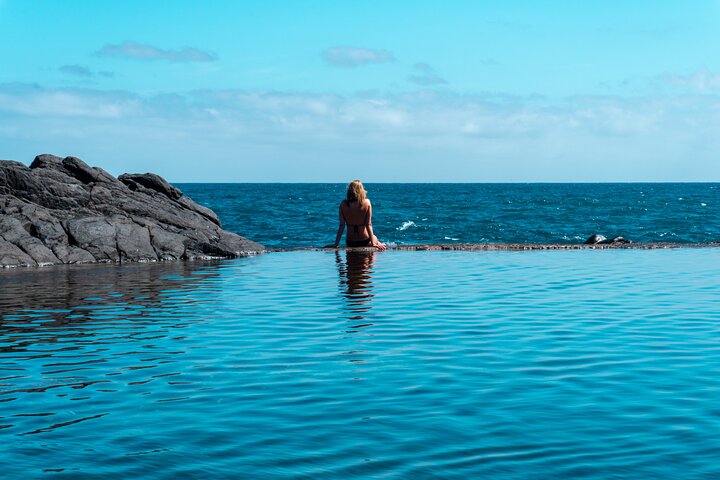
Porto Moniz, Seixal, Fanal Forest, Cliff Skywalk in Open Roof 4X4
A full-day open-top 4×4 adventure covering Madeira's lush north coast, perfect for rainy-season hiking days when you want scenery without wet trails.
★ 4.66 (1,289 reviews) Book on Viator →Last updated: May 28, 2026. Weather data from Instituto Português do Mar e da Atmosfera (IPMA). Trail closures from IFCN official alerts.